Drainage 5 min read
Who Is Responsible for Blocked Drains — You or the Council?
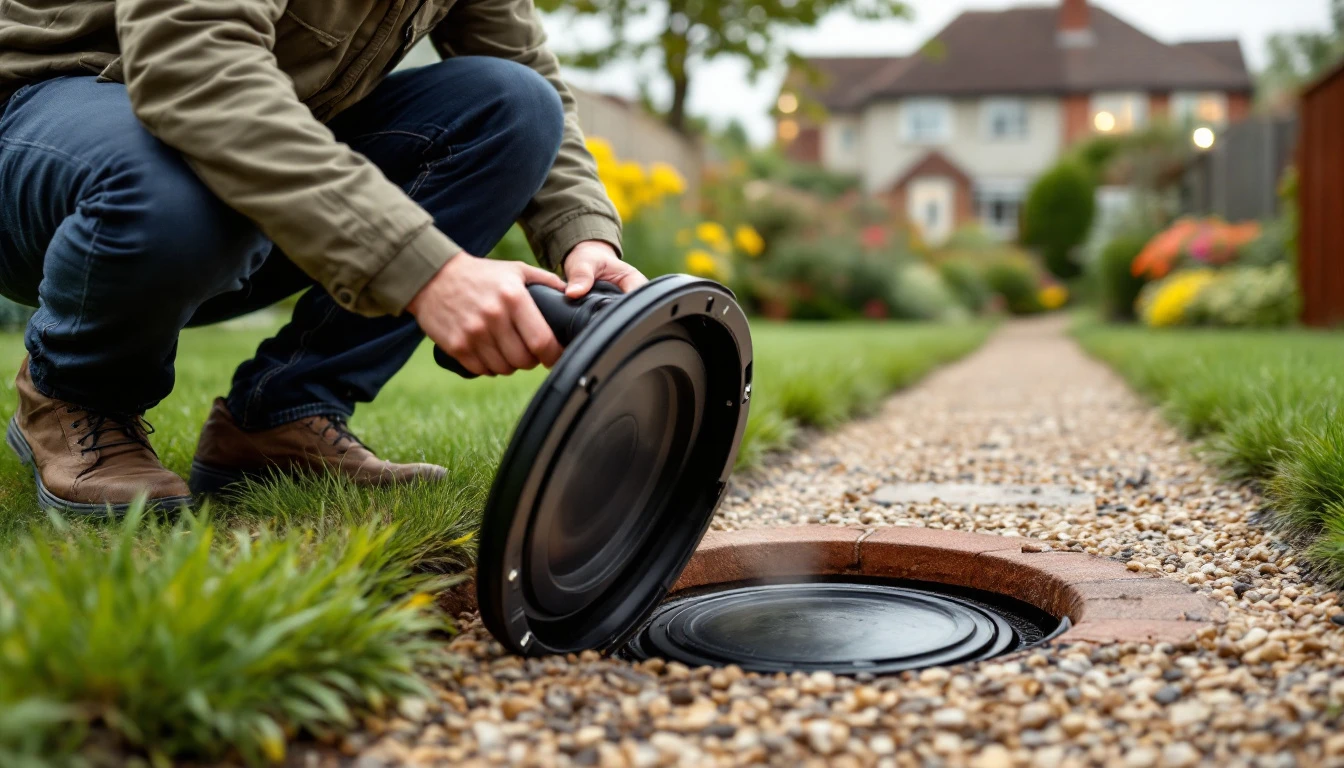
A blocked drain outside your house could be yours or the water company's to fix. Since it depends on location, here's how to tell.
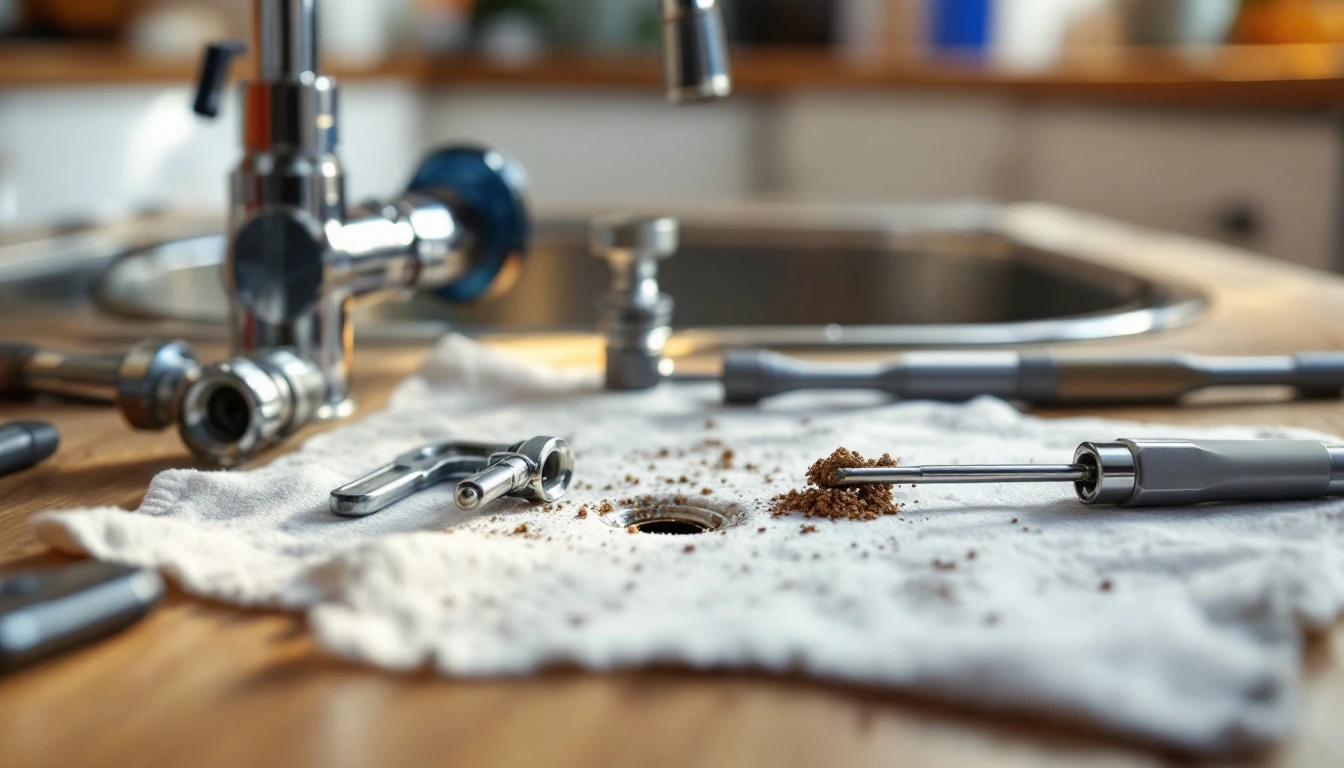
Blocked drains have a few common causes: fat, wet wipes, tree roots, or something more serious. Since prevention is simple, here's how to avoid them.
Fat and grease poured down kitchen sinks cause most blocked drains. Wet wipes and sanitary items flushed down toilets come next. However, hair building up in bathroom drains and tree roots in older pipework also play a big part. Most blockages are preventable once you know the real cause.
Cooking fat or oil feels harmless going down the sink while it’s still hot. It cools fast as it travels through the pipe and solidifies into a waxy layer. Since food particles stick to this layer over weeks and months, the pipe narrows until it blocks completely. This is the most common cause we see in kitchen drains, by a wide margin.
Prevention: let fat cool in the pan, then scrape it into the bin instead of the sink. Catching a blocked drain early is far cheaper than waiting for a full blockage.
Toilet paper breaks down in water by design. Almost nothing else does, whatever the packet says. Wet wipes, sanitary towels, and cotton buds don’t disintegrate. They snag on pipe joints, roots, or existing debris and build up into a solid mass that blocks the pipe entirely.
Prevention: bin everything except toilet paper, no exceptions, regardless of packaging claims.
Hair combines with soap scum to form a sticky mass inside shower and bath drains. It happens gradually, so people often don’t notice until the drain runs very slowly.
Prevention: a simple hair-catcher over the plughole, emptied regularly, stops almost all of this.
In older properties with clay pipework, small cracks or worn joints let a little moisture escape. That moisture attracts tree roots looking for water. Roots grow towards the pipe and eventually into it, restricting flow or cracking it further. This is more common near mature trees and in Victorian-era drainage systems. It’s a genuine structural issue, not something a simple unblock fixes for good, so it usually needs a CCTV survey to diagnose properly. This applies to gardens in Wymondham and older homes in Dereham as much as anywhere, where mature gardens and older clay pipe runs are common.
In hard-water areas, limescale can build up inside pipes over years, narrowing the internal diameter gradually. It’s similar to fat build-up but mineral rather than organic. It’s a slower process too, since it tends to show up as a drain that’s been “a bit slow for ages” rather than a sudden total blockage.
Even without pouring fat straight down the sink, food scraps rinsed off plates add up over time. Rice, pasta, coffee grounds, and vegetable peelings all play their part, especially combined with any grease already coating the pipe. None of these are dramatic on their own. But they’re a steady, everyday contributor that most households don’t think twice about.
Prevention: scrape plates into the food bin before washing up. A simple sink strainer also catches solids before they go down at all.
Occasionally a blockage isn’t caused by what’s gone down the drain at all. A section of pipe has shifted, cracked, or collapsed, usually due to ground movement or age. This is less common, but it explains why some drains block repeatedly no matter how carefully you use them. If that sounds like your situation, read about who’s responsible for blocked drains, since a fault in a shared section may not be yours to fix.
For most fat, wipe, or hair blockages, drain rods or jetting clear it without any digging. See our guide on unblocking a drain without digging. If the blockage keeps recurring despite careful use, that’s usually a sign of roots or a structural issue that needs a proper look.
We clear blocked drains across Norwich and the surrounding area, usually the same day. This includes call-outs near Attleborough. Get in touch if you’ve got a blockage that needs sorting.
Tell us your postcode and what you need — we'll reply within 1 working day.
A blocked drain outside your house could be yours or the water company's to fix. Since it depends on location, here's how to tell.
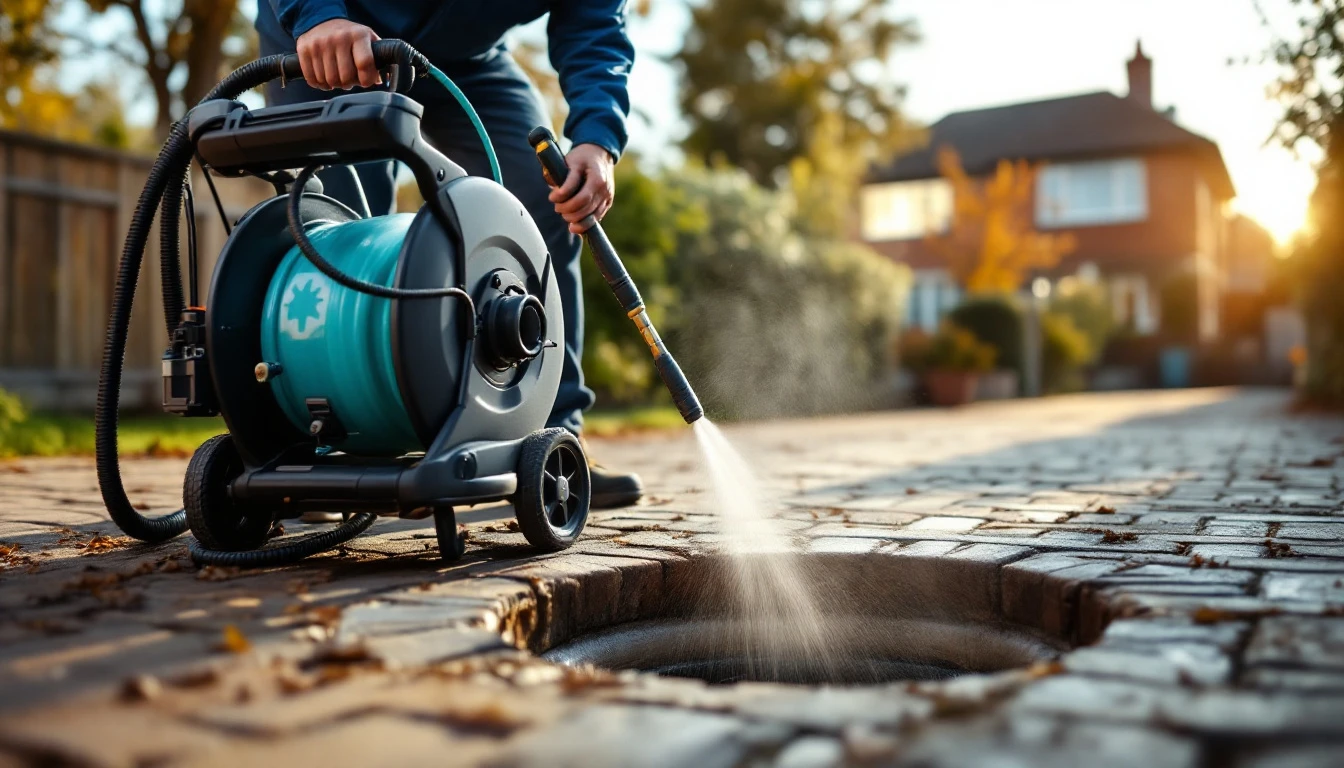
Most blocked drains don't need digging up. Since rodding, jetting, and CCTV surveys clear them, your garden stays untouched.
Get in touch today for a free, no-obligation quote. We cover Norwich and the surrounding area.